Applying for a work visa in 2026 is your golden ticket to exploring global career opportunities. With evolving regulations and changing job markets, staying informed is more critical than ever.
Let’s dive into everything you need to know to successfully navigate this process.
What is a work visa?
A work visa is an official document issued by a country’s government, allowing foreign nationals to work legally within its borders. It’s your passport to new professional horizons.
Types of Work Visas
Temporary (Non-Immigrant) Visas
These visas allow individuals to work in a foreign country for a specific period. They’re ideal for short-term assignments, internships, or seasonal work.
Permanent (Immigrant) Visas
Permanent work visas grant the holder the right to live and work indefinitely in the host country. They’re often linked to permanent job offers or specific skill sets in demand.
Why Do You Need a Work Visa?
Legal Requirements for Working Abroad
Without a work visa, you’re likely violating immigration laws, which can result in fines, deportation, or even bans from re-entry.
Benefits of Holding a Work Visa
Beyond legality, a work visa often provides access to social benefits, such as healthcare and housing.
Eligibility Criteria for a Work Visa
While requirements vary by country, common criteria include:
- Health assessments or medical examinations.
- A valid job offer from a recognized employer.
- Relevant qualifications and work experience.
- Proof of financial stability.
- Clean criminal record.
Country-Specific Work Visa Processes
United States
H-1B Visa
Designed for specialized occupations, the H-1B visa requires a bachelor’s degree or higher. There’s an annual cap, making the process competitive.
H-2B Visa
This visa caters to non-agricultural temporary workers. In 2026, there’s a temporary increase in H-2B visas to address labor shortages.
EB-2 and EB-3 Visas
These are employment-based immigrant visas for professionals with advanced degrees (EB-2) and skilled workers (EB-3).
United Kingdom
Skilled Worker Visa
Allows individuals to work in the UK in eligible roles. As of 2026, the list includes diverse professions, from DJs to dog walkers.
European Union
Blue Card Scheme
The EU Blue Card offers a streamlined process for highly skilled non-EU citizens to work and live in EU member states.
Canada
Temporary Foreign Worker Program
Enables Canadian employers to hire foreign nationals to fill temporary labor shortages.
Australia
Temporary Skill Shortage Visa
This visa allows Australian employers to address labor shortages by bringing in skilled workers from overseas.
Step-by-Step Application Process
Securing a Job Offer
Begin by applying to companies abroad. Networking, job portals, and recruitment agencies can be invaluable resources.
Employer’s Petition
In many countries, the employer must petition the immigration authorities on your behalf, demonstrating the need to hire a foreign worker.
Visa Application Submission
Once the petition is approved, you’ll need to submit your visa application, accompanied by necessary documents like your passport, job offer letter, and proof of qualifications.
Attending the Visa Interview
Most countries require an in-person interview at their embassy or consulate. Be prepared to discuss your job role, qualifications, and intentions.
Receiving the Visa
Upon approval, you’ll receive your visa, allowing you to commence your employment abroad.
Top Destinations for Work Visas
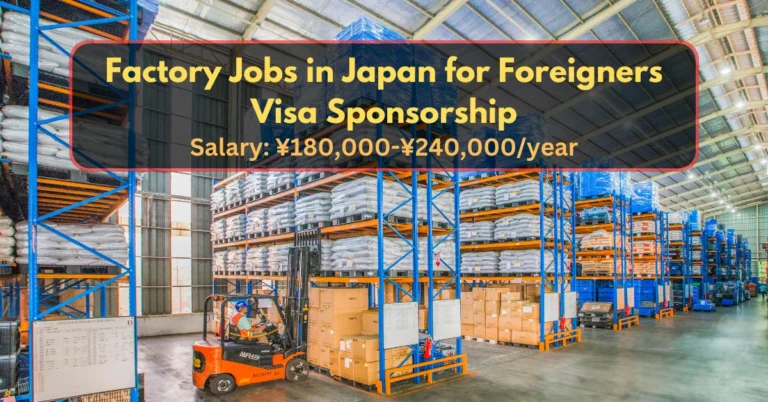
Countries like Canada, Germany, and Australia remain popular for skilled workers, while nations such as Japan and the UAE attract unskilled labor.
Researching Visa Requirements
Where to Find Reliable Information
Check official immigration websites or consult a visa consultant for accurate information.
Common Requirements Across Countries
Expect to provide proof of employment, valid identification, and financial stability.
Preparing Your Documentation
Must-Have Documents
- Passport
- Job offer letter
- Educational qualifications
- Police clearance certificate
Tips for Organizing Your Paperwork
Keep scanned copies, label your files, and create a checklist to avoid missing anything.
How to Submit Your Application
Online vs. Offline Submissions
While most countries prefer online applications, some still allow paper submissions. Follow instructions meticulously.
Steps to Follow for Each Method
- Fill out the application form.
- Upload required documents.
- Pay the application fee.
Paying the Visa Application Fee
Average Costs in 2026
Fees range from $50 to $500, depending on the country and visa type.
Accepted Payment Methods
Credit cards, bank transfers, or payment through government-approved gateways are common.
Scheduling a Visa Interview
How to Prepare
Practice answering common questions about your job role, employer, and future plans.
Common Questions Asked
Expect queries like “Why do you want to work in this country?” and “How long do you plan to stay?“
Should know about Processing Times
Typical Wait Periods in 2026
Processing times vary, with most visas taking 4–8 weeks.
Factors That May Affect Processing
Errors in documentation or high application volumes can cause delays.
What to Do if Your Application is Denied
Common Reasons for Denial
- Incomplete paperwork
- Insufficient funds
- Inaccurate information
Steps to Reapply
Fix errors, gather stronger supporting documents, and submit a fresh application.
Tips for a Smooth Work Visa Application
- Double-check all forms before submission.
- Follow country-specific guidelines.
- Stay informed about changes in visa policies.
Related:
- 10 Tips to Build Your Resume for Visa-Sponsored Job
- 107+ Cruise Ship Jobs in USA with Visa Sponsorship
- Carnival Cruise Lines Remote Jobs No Experience
- Holland America Lines Cruise Ship Jobs with No Experience
- Royal Caribbean Cruise Ship Jobs (Visa Sponsorship)
Conclusion
While the process of obtaining a work visa can be intricate, thorough preparation and understanding of the requirements can pave the way for a successful application. Embrace the opportunities that await and take the first step towards your global career today.
The opportunities waiting on the other side are endless, and every step brings you closer to achieving your dreams.
FAQs:
1. How long does it take to get a work visa?
Processing times vary but typically range from 4 to 8 weeks.
2. What documents are mandatory for a work visa?
Commonly required documents include a passport, a job offer, and educational qualifications.
3. Can I apply for a work visa without a job offer?
Some countries offer open work permits, but most require a job offer.
4. How much does a work visa cost?
Costs range from $50 to $500, depending on the visa type and country.
5. What should I do if my visa application is denied?
Address the reasons for denial, gather stronger documents, and reapply.